Topic
Feelings, empathy and calm
Naming feelings, handling big emotions and learning to help a friend.

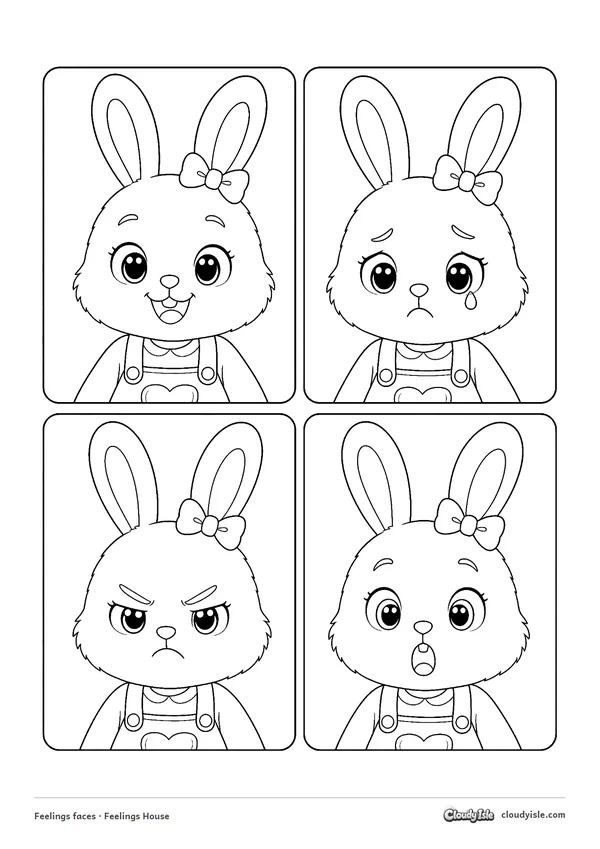
Before children can manage big feelings, they need words for them. Naming emotions, noticing them in faces and stories, and practising what to do next are skills, and like any skill they grow with patient practice.
These guides offer simple language for feelings, activities that build emotional vocabulary, calming strategies that work for toddlers, and ways to nurture early empathy.
Start here
More in this topic

Guide · 6 min read
Calm-Down Strategies for Toddlers That Actually Work
The best calm-down strategies for toddlers start with your own calm: get close, use few words, name the feeling and keep everyone safe until the storm passes. Toddlers…

Guide · 6 min read
Feelings Activities for Preschoolers: 12 Playful Ideas
Good feelings activities for preschoolers are short, playful and low-pressure: guessing faces in a mirror, feelings charades, puppet shows, colouring faces, sorting…

Guide · 6 min read
Emotion Words for Kids: A Feelings Word List by Age
Start emotion words for kids with four clear basics (happy, sad, angry, scared), then add one new word at a time as your child grows: frustrated, worried, excited and…

Guide · 6 min read
How to Teach Empathy to Toddlers, Gently and Realistically
To teach empathy to toddlers, show it first: respond warmly to their feelings, name how other people feel, and suggest small, concrete ways to help, like fetching a…